

Build Once. Use Everywhere.
Why smart brands are rethinking how they create content, and winning because of it.
There’s a quiet shift happening in the way modern brands approach content.
It’s not louder campaigns.
It’s not more posts.
It’s not chasing every new platform that appears.
It’s something far more strategic.
It’s building once and using it everywhere.
At first glance, it sounds simple. Almost obvious. But in practice, it challenges one of the most common (and costly) habits in marketing: creating content for a single use, a single platform, a single moment.
And then starting from scratch all over again.
The Problem: Content Burnout Without Results
Most brands today are stuck in a cycle that looks something like this:
● Create a campaign for Instagram
● Design separate assets for Facebook
● Shoot new visuals for a website update
● Film something entirely different for ads
● Brief a new concept for video
Everything is disconnected.
Everything is time-consuming.
Everything is expensive.
And worst of all everything has a short lifespan.
Content gets posted, performs for a few days (if that), and then disappears into the endless scroll. The investment? Gone. The value? Limited.
This isn’t a content problem.
It’s a strategy problem.

The Shift: Content as an Asset, Not an Output
Smart brands are starting to think differently.
Instead of asking:
“What do we need to post this week?”
They’re asking:
“What can we build that keeps working for us over time?”
This is the core of Build Once. Use Everywhere.
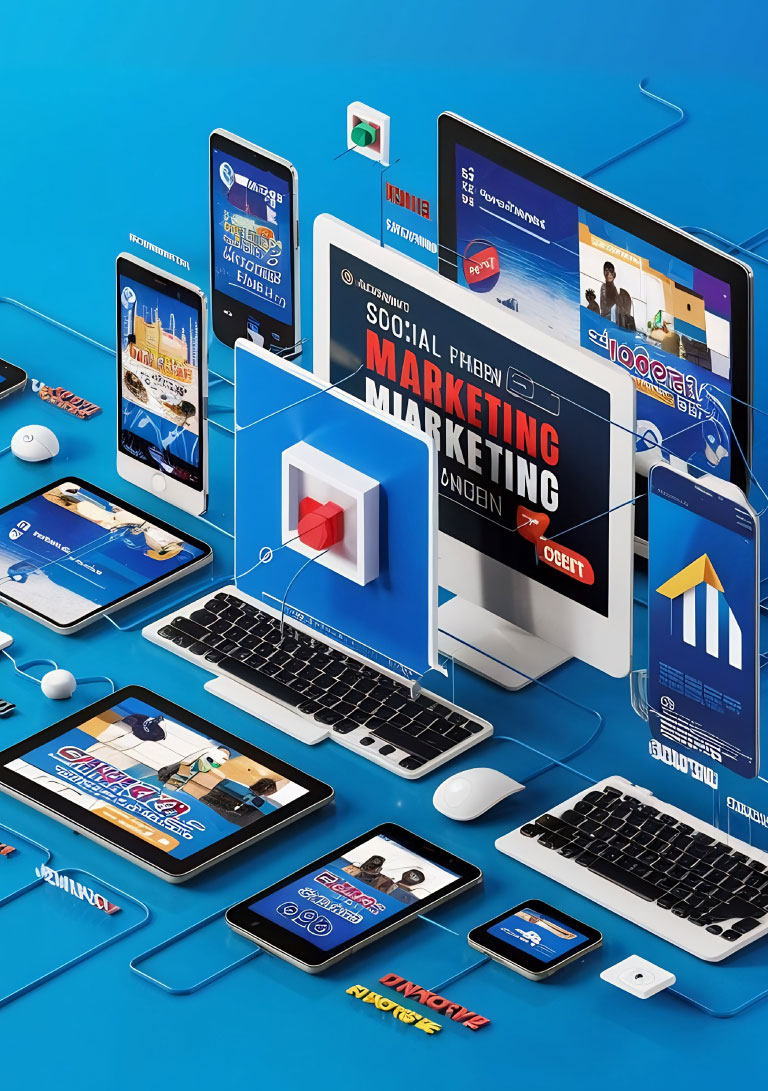
It’s about treating content not as disposable output, but as modular, reusable assets that can be adapted, reshaped, and redistributed across platforms, formats, and campaigns.
Because the truth is: The effort is already being spent.
The missed opportunity is in how little mileage is being extracted from it.
What “Build Once” Actually Means
This isn’t about cutting corners or reusing content lazily.
It’s about designing content intentionally, from the start, to be flexible.
That means:
● Shooting video with multiple formats in mind (landscape, vertical, square)
● Capturing extra footage for cutdowns and variations
● Designing visuals that can scale across different platforms
● Structuring messaging so it can be adapted without losing impact
It’s not one piece of content.
It’s a system of content built from a single creative foundation.
What This Unlocks for Brands
When you adopt this approach, everything changes.
1. Content Repurposing That Actually Works
Repurposing often gets misunderstood as reposting the same thing everywhere.
That’s not the goal.
The goal is reframing the same core idea for different contexts:
● A long-form video becomes multiple short clips
● A campaign shoot becomes weeks of social content
● A single concept becomes a full content series
Instead of creating more, you’re extracting more value from what already exists.
2. Multi-Platform Design Without the Chaos
Different platforms demand different formats. That’s not going away.
But instead of treating each platform as a separate project, you design with adaptability in mind from day one.
This means:
● Visual systems that work across channels
● Layouts that adjust without breaking
● Messaging that stays consistent, even when the format changes
The result?
A brand that feels cohesive everywhere, without doubling the workload.
3. Video That Keeps Giving
Video is one of the most expensive content types to produce, and one of the easiest to underutilise.
A single shoot can (and should) generate:
● Hero videos
● 15–30 second cutdowns
● Social snippets
● Behind-the-scenes content
● Ad variations
When planned correctly, one production can fuel weeks or even months of content.
That’s where the real return on investment lives.

4. Campaign Asset Systems (Not One-Off Campaigns)
Instead of launching campaigns that fade quickly, brands can build asset ecosystems.
Think of it like this:
● A campaign isn’t just a moment
● It’s a library of adaptable content
● Ready to be reused, refreshed, and redeployed
This allows brands to:
● Stay consistent over time
● Move faster with new ideas
● Reduce the need for constant reinvention
It’s not just efficient, it’s strategically powerful.
5. Cost Efficiency Without Sacrificing Quality
Here’s the part every business cares about.
Creating high-quality content is expensive. That won’t change.
But wasting content is optional.
When content is built to be reused:
● Production costs stretch further
● Fewer shoots are needed
● Turnaround times improve
● Teams spend less time starting from zero
The result is not just savings, it’s smarter spending.
Why This Matters Right Now
Attention is fragmented.
Platforms are evolving constantly.
Content demands are higher than ever.
And budgets? They’re not growing at the same pace.
This creates pressure to produce more, but that approach is unsustainable.
The brands that stand out today aren’t the ones creating the most.
They’re the ones creating with intention.
They understand that:
● Every shoot should deliver more than one output
● Every idea should live in multiple formats
● Every piece of content should work harder
The Mindset Shift
This approach requires a fundamental change in how teams think.
From: “We need content for this platform”
To: “We need a content system that works across platforms”
From: “Let’s create something new”
To: “How do we maximise what we’re already creating?”
From: “Output”
To: “Asset”
It’s a shift from reactive marketing to strategic content design.
Where Modic Global Fits In
This is exactly where Modic Global positions itself.
Not just as a content creator, but as a strategic partner in how content is built, structured, and scaled.
The focus isn’t on producing more.
It’s on producing smarter.
● Content that adapts
● Design that scales
● Campaigns that last longer than their launch window
Because modern brands don’t need more noise.
They need more value from every piece of work they invest in.
Final Thought
The question isn’t:
“How much content can we create?”
It’s:
“How far can one great idea go?”
The brands that answer that question well are the ones that win.
Because in a world where everything moves fast,
The smartest strategy isn’t doing more, It’s making more out of what you already do.
Build once. Use everywhere.