

Virtual Reality for E-Commerce: The Future of Immersive Shopping
Virtual Reality (VR) is quickly becoming one of the most powerful tools in e-commerce. No longer just a novelty for gamers or tech enthusiasts, VR is transforming the way consumers interact with products, brands, and shopping environments, bridging the gap between online convenience and in-person experience.
From Clicking to Experiencing: The Rise of VR Showrooms
Traditional e-commerce relies heavily on flat images, videos, and written descriptions to sell products. While effective to a point, these methods still leave a sensory gap between customers and their purchases. VR showrooms are changing that.
With a virtual showroom, shoppers can walk through a 3D-rendered space that mimics a physical store. They can pick up and rotate items, explore different colors or sizes in real time, and get a better sense of scale and functionality. From furniture and fashion to automobiles and tech, VR lets users “try before they buy” – without leaving their homes.
Companies like IKEA, Gucci, and Audi are already leveraging this trend. Customers can explore living room layouts, try on luxury shoes with avatars, or sit inside a virtual car model. These experiences build emotional connection and confidence in purchasing decisions, ultimately leading to higher conversions and fewer returns.
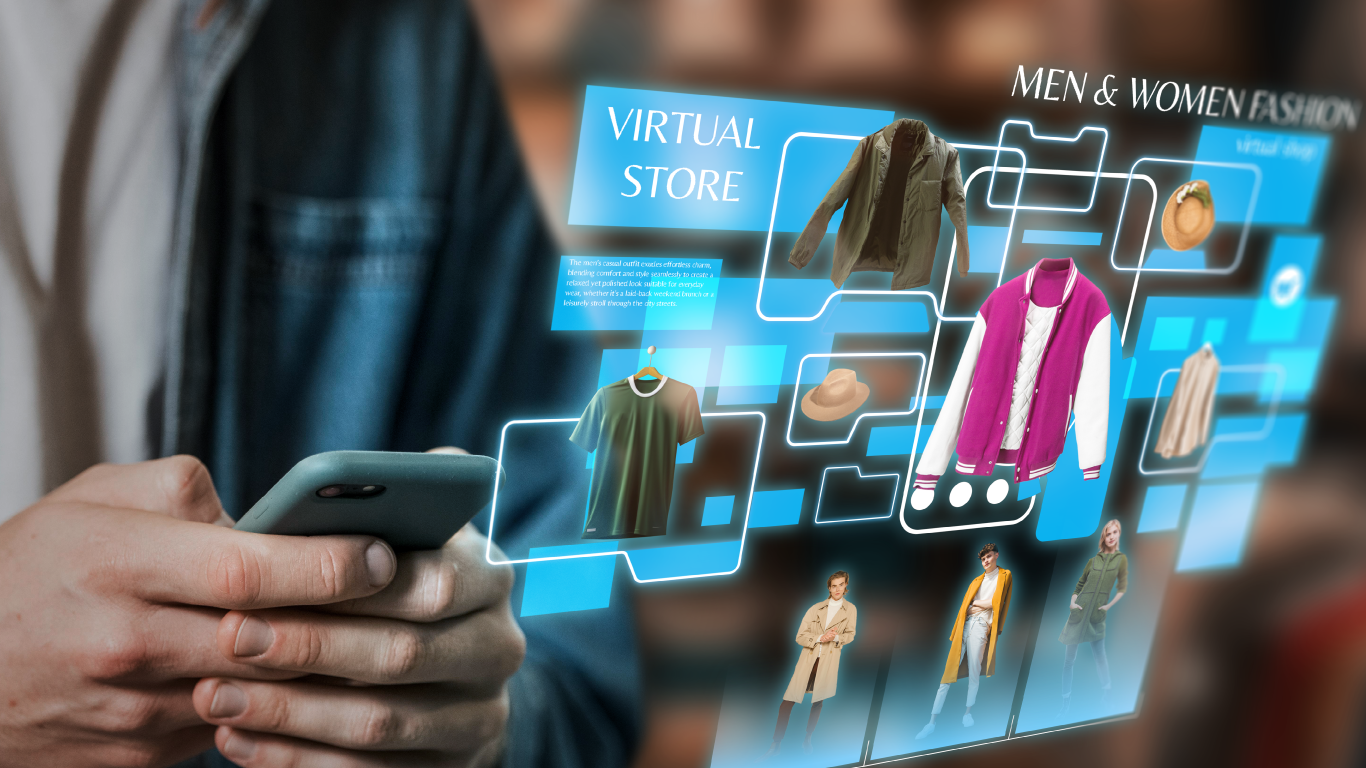
Immersive Shopping: Where Convenience Meets Engagement
VR is doing more than showcasing products, it’s crafting stories around them. Imagine entering a virtual pop-up store styled like a beachfront villa to browse summer fashion, or walking through a cozy digital kitchen to test smart appliances. These immersive narratives help brands stand out in a competitive market and turn passive browsers into active explorers.
One rising trend is social VR shopping, where friends or influencers can join users in virtual spaces. Shoppers can receive real-time feedback, compare options side-by-side, or even attend virtual launch events. It’s a powerful blend of entertainment, community, and commerce.
The Tech Behind the Magic
Advances in WebVR and platforms like Meta Quest, Apple Vision Pro, and HTC Vive are making VR more accessible to everyday consumers. Meanwhile, tools like 3D modeling, AR integration, and AI-generated environments are helping businesses of all sizes build captivating virtual storefronts, often without needing massive technical teams.
Importantly, we’re also seeing the rise of hybrid experiences that blend VR with augmented reality (AR), allowing users to switch between real-world overlays and fully immersive environments. This flexibility creates a seamless shopping journey across multiple devices and settings.
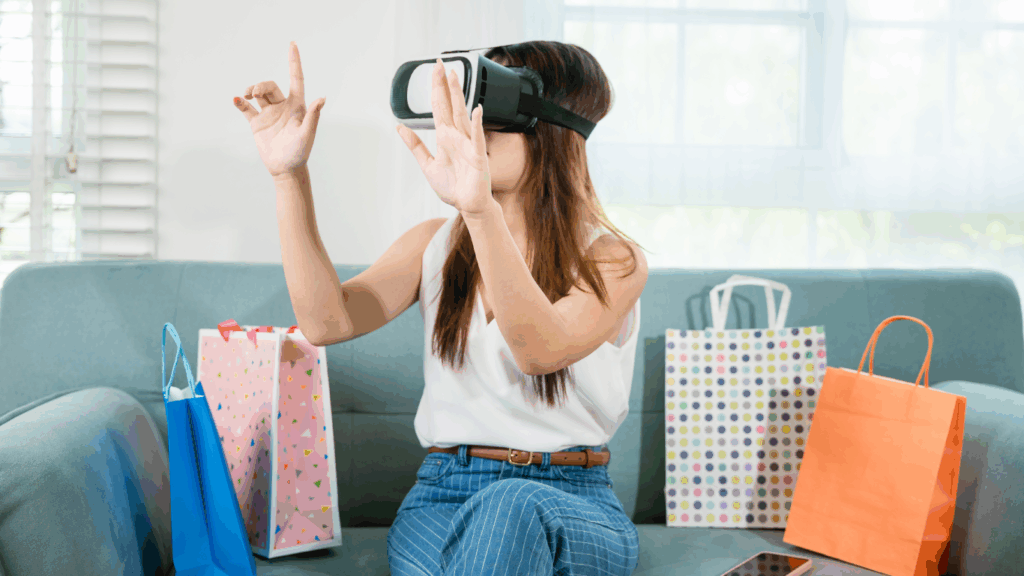
The Future: Personalised and Predictive VR Commerce
Looking ahead, the next frontier for VR e-commerce lies in hyper-personalisation. Imagine entering a virtual clothing store where everything on the racks matches your style preferences, size, and previous purchases. Or stepping into a smart home showroom where VR responds to your voice to change lighting, layout, or even weather scenarios.
AI and machine learning will play a major role in tailoring these experiences, while blockchain and NFTs may unlock new ways to own and trade virtual fashion and digital goods.
Final Thoughts
Virtual reality isn’t just enhancing online shopping, it’s redefining it. For e-commerce brands, embracing VR is no longer an experiment; it’s a strategic investment in customer engagement, loyalty, and long-term growth. As the line between digital and physical blurs, those who create immersive, intuitive, and emotionally resonant experiences will lead the next generation of retail.
Are you ready to meet your customers in the metaverse?